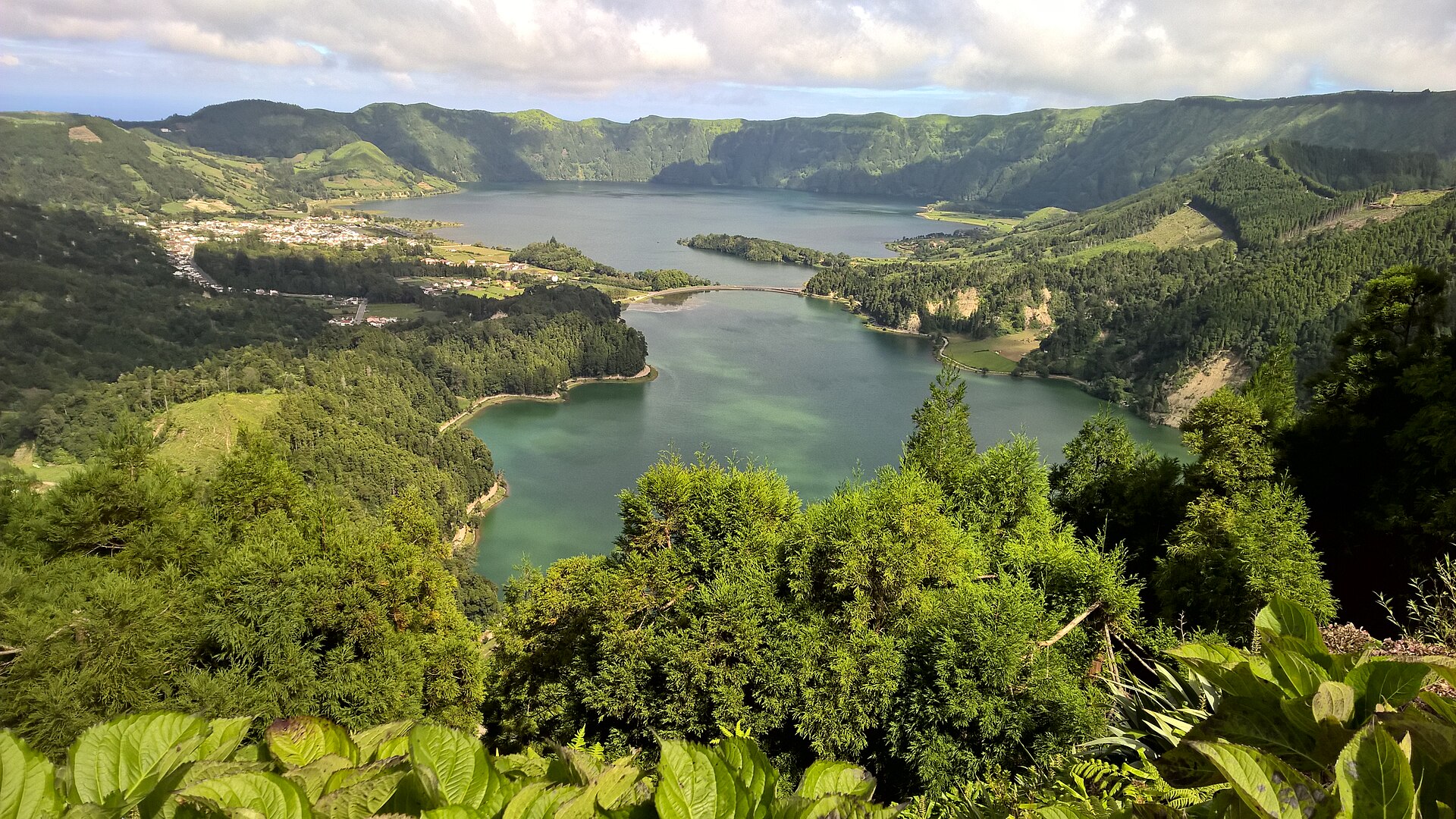
 Must-See
São Miguel
Azores
Crater lakes, hot springs and tea fields on the largest island of the Azores.
Guide Coming Soon
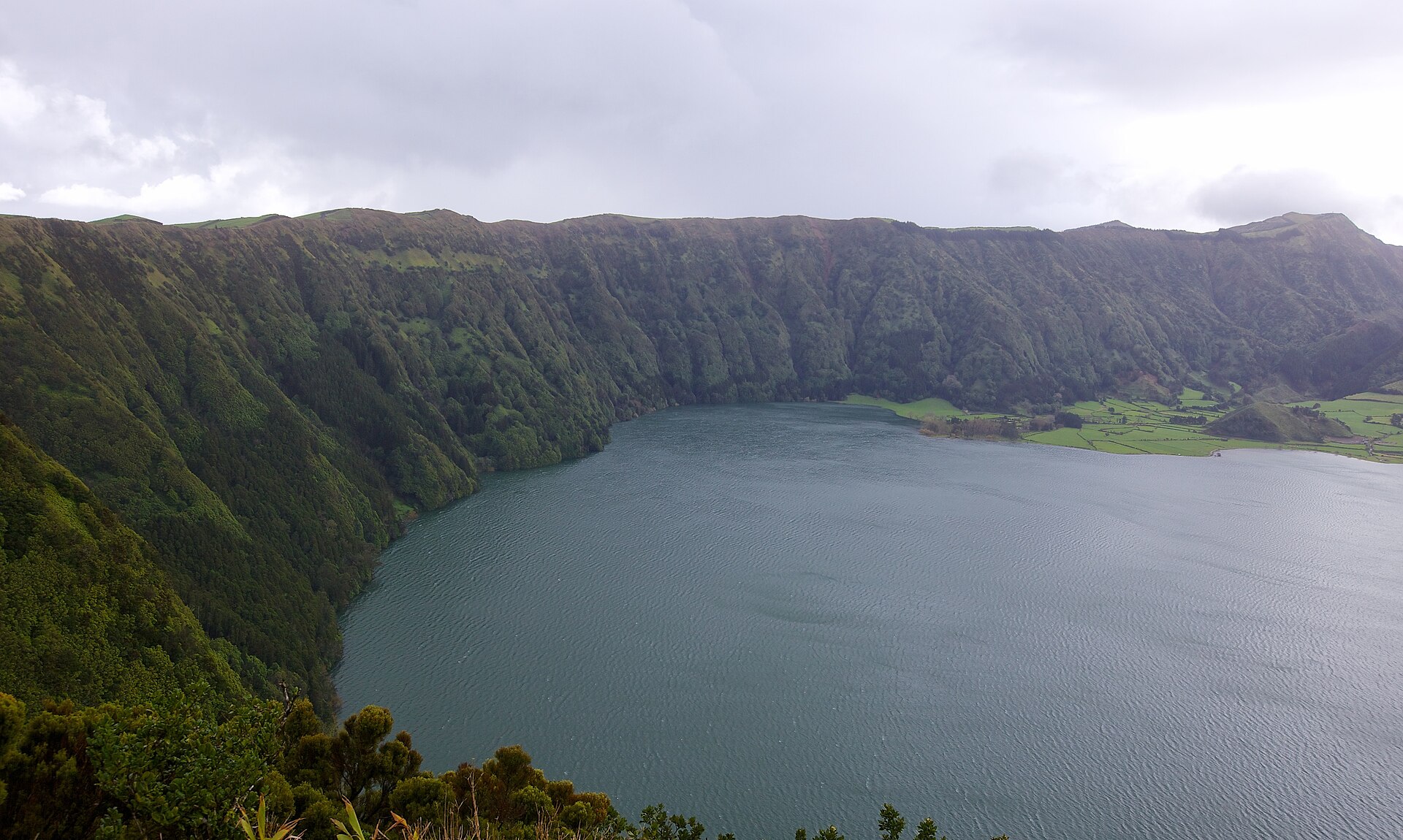
Crater lakes, hot springs and whales in the middle of the Atlantic.
The Azores are nine volcanic islands in the middle of the Atlantic, more than two hours' flight west of Lisbon: green crater lakes, hot springs, tea gardens and roads lined with hydrangeas, with whales and dolphins offshore. They belong to Portugal and have a mild, changeable climate all year.
Most visitors start on São Miguel, the largest island, with the crater lakes of Sete Cidades, the hot springs of Furnas and the main airport at Ponta Delgada. Pico has Portugal's highest mountain and vineyards walled in black lava, a World Heritage Site, across a narrow channel from Faial.
1 more place to become Sailor · tap “Been There” on any place you've visited
Must-SeeCrater lakes, hot springs and tea fields on the largest island of the Azores.
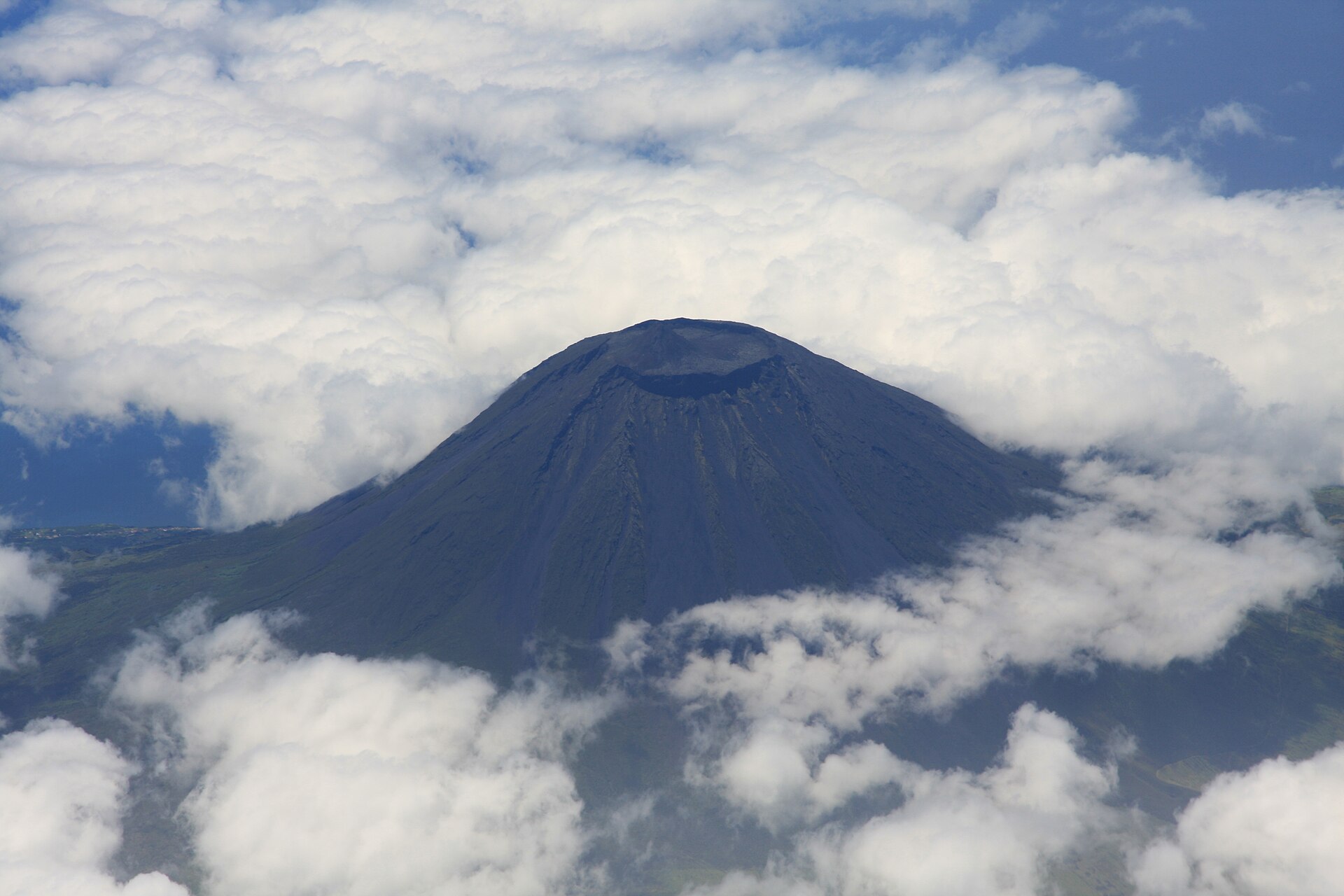 Must-See
Portugal's highest peak, a volcano in the Azores above UNESCO-listed vineyards.
Grey pins: guides still being written.
Each island needs its own car or tours, and roads are good but narrow and winding. Local flights link all nine islands, and ferries cross between Pico, Faial and São Jorge most of the year, with more routes in summer.
It is never very hot or very cold, but the weather changes fast: it can rain and clear several times a day, and the crater-lake viewpoints are often in cloud. The sea is warmest for swimming from July to September.
Try cozido das Furnas, a stew slow-cooked in the hot volcanic ground; local beef; grilled limpets and fresh fish; São Jorge cheese; pineapples grown in greenhouses; tea from Europe's oldest tea gardens; and Pico's wine.
Check the viewpoint webcams before driving up to the crater lakes. Whale-watching trips run most of the year, and are best in spring and summer. Book cars early for July and August.