 Must-See
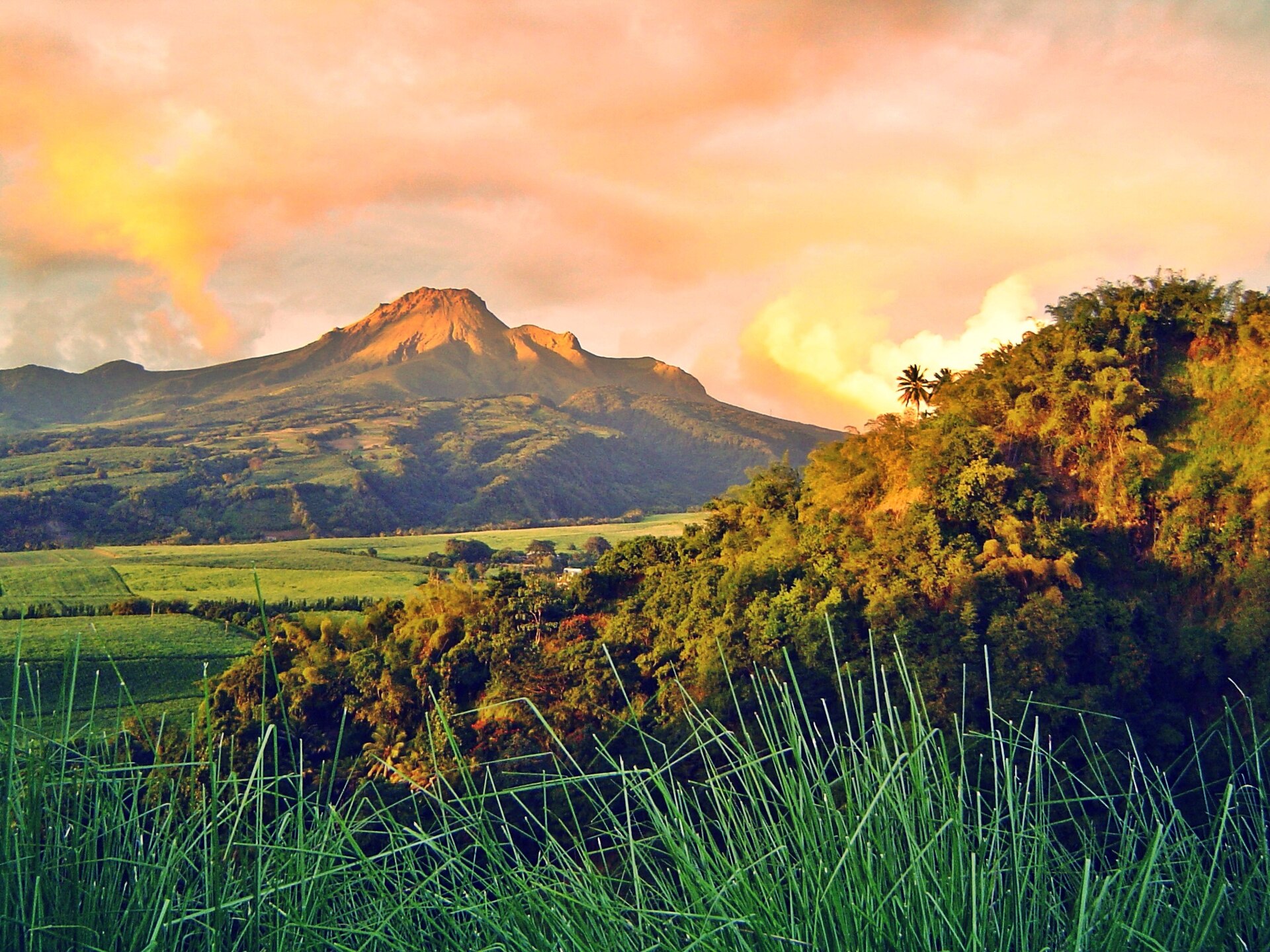
Mount Pelée
The volcano that dominates northern Martinique, now a World Heritage site, with a steep hike through cloud forest to its misty summit.
Guide Coming Soon
French flair, rum and a sleeping volcano.
US travel advisory: Level 1, Exercise Normal Precautions · checked 2026-11-07Martinique is a mountainous French island in the Lesser Antilles, part of France itself, with the euro, French bakeries and Creole culture side by side. The north is lush and steep, crowned by Mount Pelée, the volcano that destroyed the old capital of Saint-Pierre in 1902; the south is drier, with the island's best beaches.
Travelers come for beaches like Les Salines and the turtle-filled bay of Les Anses-d'Arlet, for the distilleries that make Martinique's rhum agricole from fresh cane juice, and for hikes up the volcano and through the rainforest. Fort-de-France, the capital, has a busy market and ferries across its bay.
1 more place to become Sailor · tap “Been There” on any place you've visited
Must-SeeThe volcano that dominates northern Martinique, now a World Heritage site, with a steep hike through cloud forest to its misty summit.
 Must-See
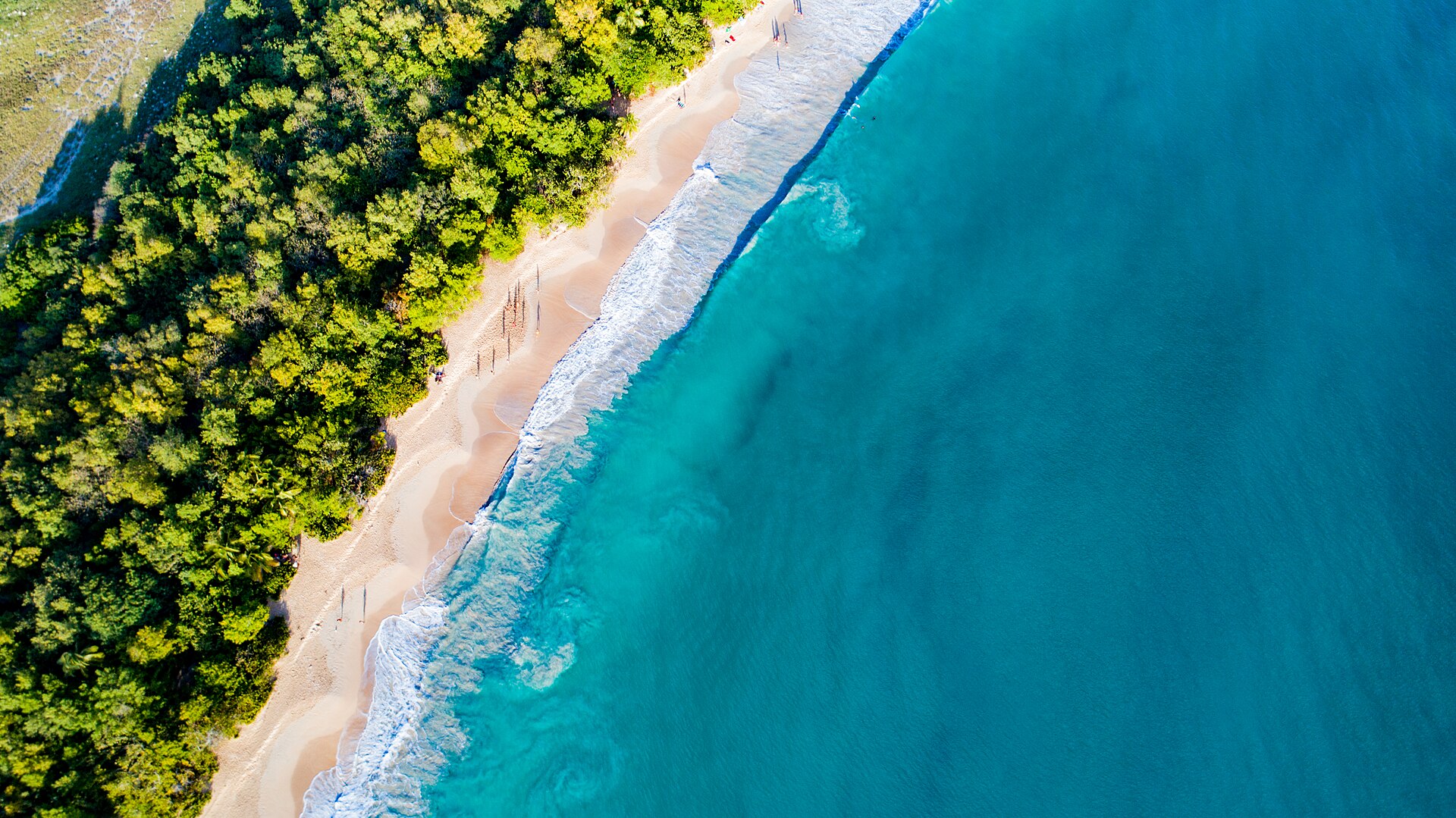
A seaside town in Martinique's dry south, with the palm-fringed beach of Les Salines, calm turquoise water and a lively waterfront market.
 Worth a Detour
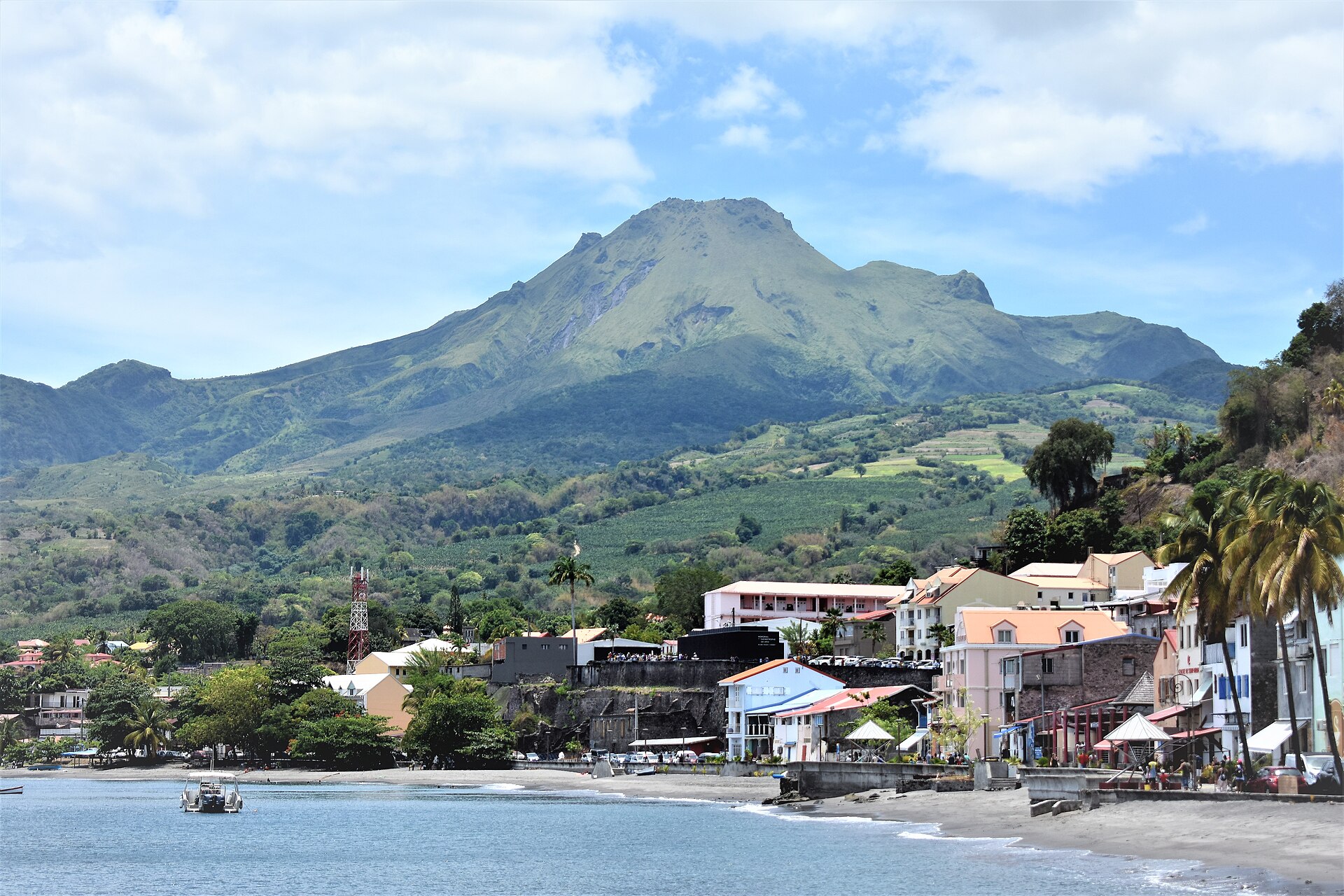
Martinique's former capital, buried by Mount Pelée's eruption in 1902, with ruins of the old town, a volcano museum and black-sand beaches.
 Worth a Detour
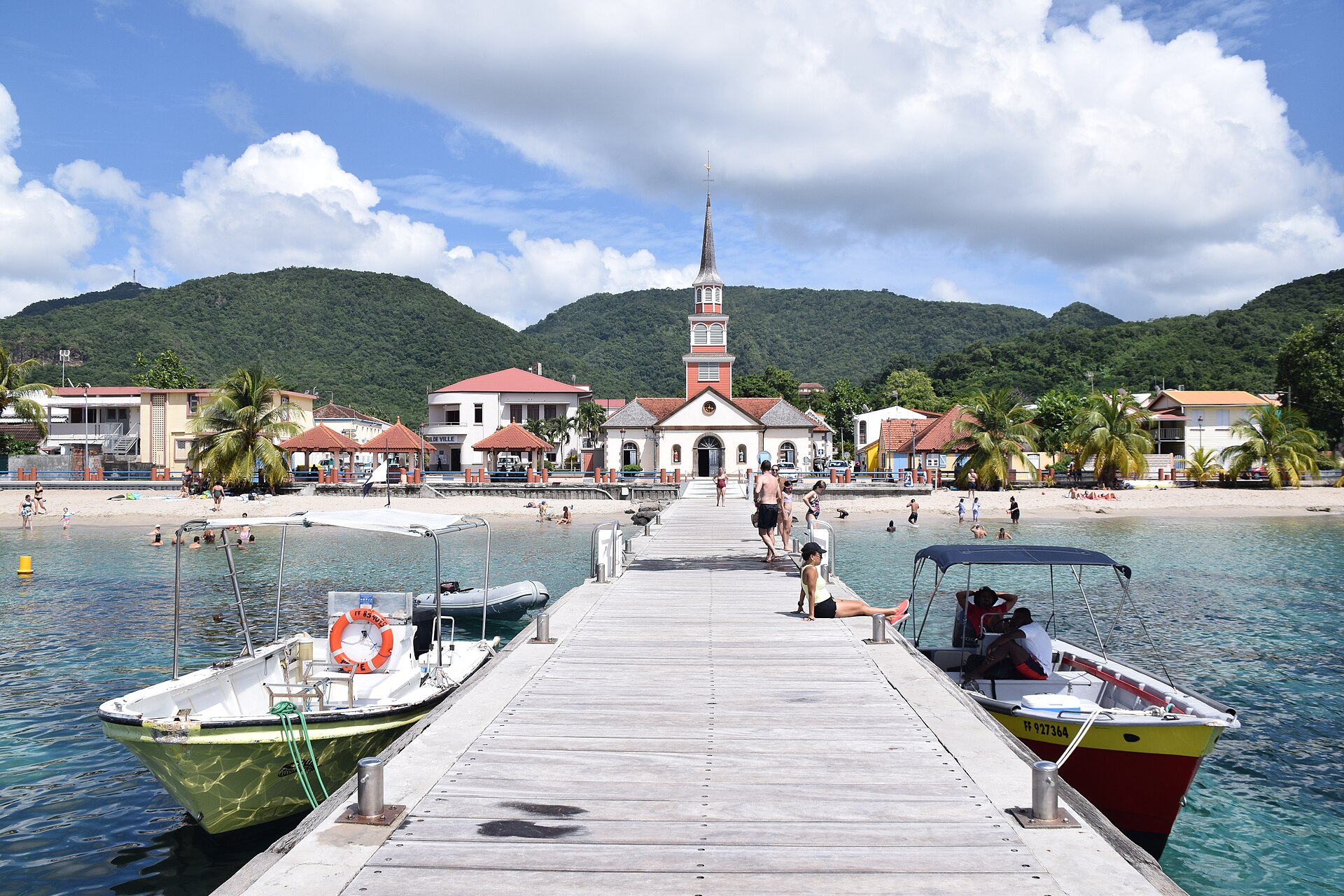
A fishing village with a white church on the sand, where sea turtles graze in the bay at Grande Anse and snorkeling starts from the beach.
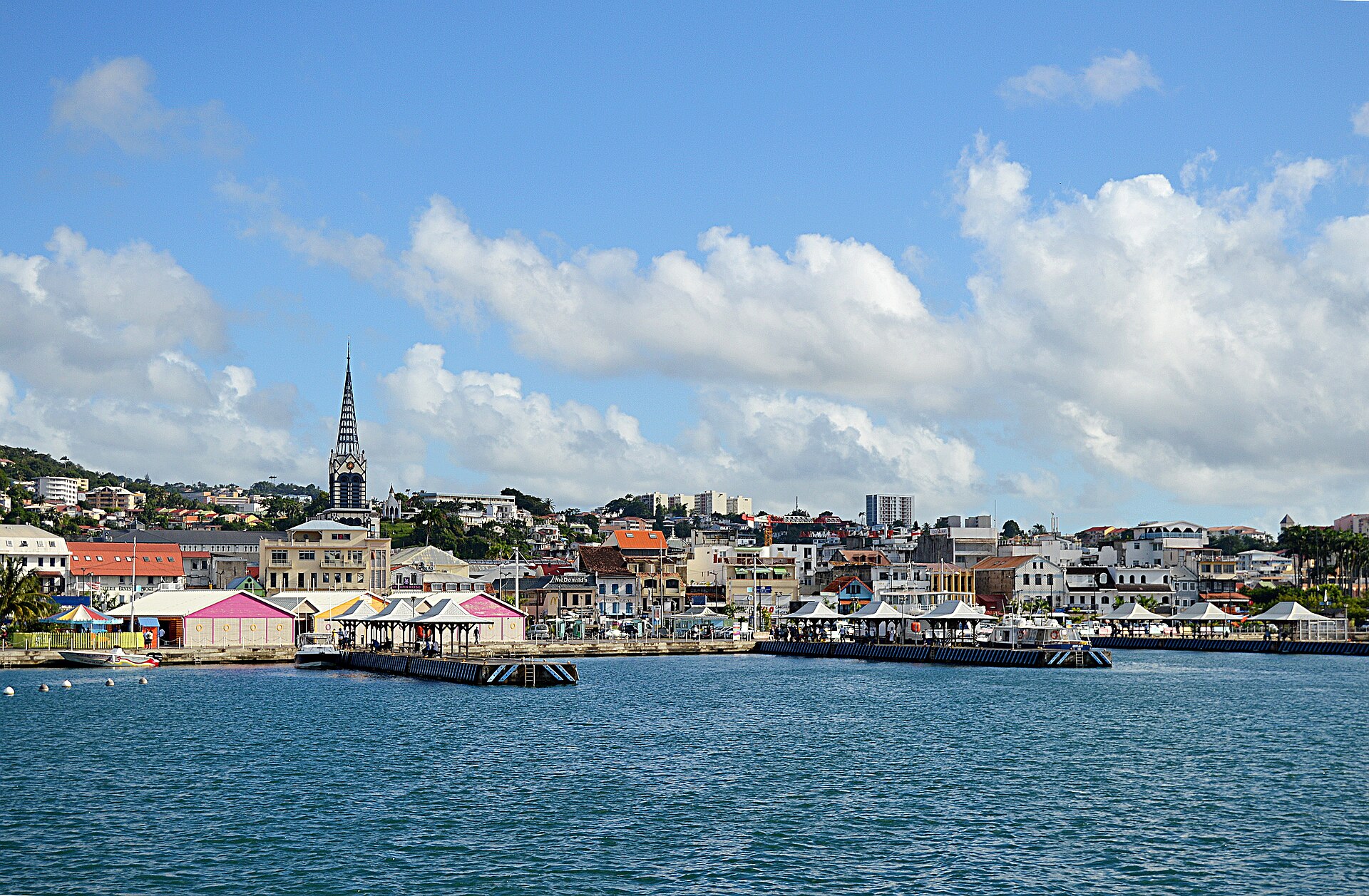 If You're Nearby
Martinique's capital, with the ornate Schoelcher Library, a spice market, the Balata garden in the hills above and ferries across the bay.
Grey pins: guides still being written.
A rental car is the best way to explore, as buses are infrequent outside Fort-de-France and traffic around the capital is heavy at rush hour. Ferries cross the bay from Fort-de-France to Pointe du Bout and Anse Mitan, and the coast road winds north through rainforest to Saint-Pierre.
It's warm all year, around 84°F, with a drier season from December to May and more rain and the chance of hurricanes from June to November. The mountainous north is wetter and cooler than the south.
Try accras, crisp cod fritters, colombo curry, grilled lambi, a large sea snail, and boudin créole, with a ti' punch of rhum agricole, lime and cane sugar.
Americans don't need a visa for stays of up to 90 days, and Martinique uses the euro like mainland France. French is spoken everywhere, with Creole at home, so a few words of French help. Many shops close at lunchtime and on Sundays.