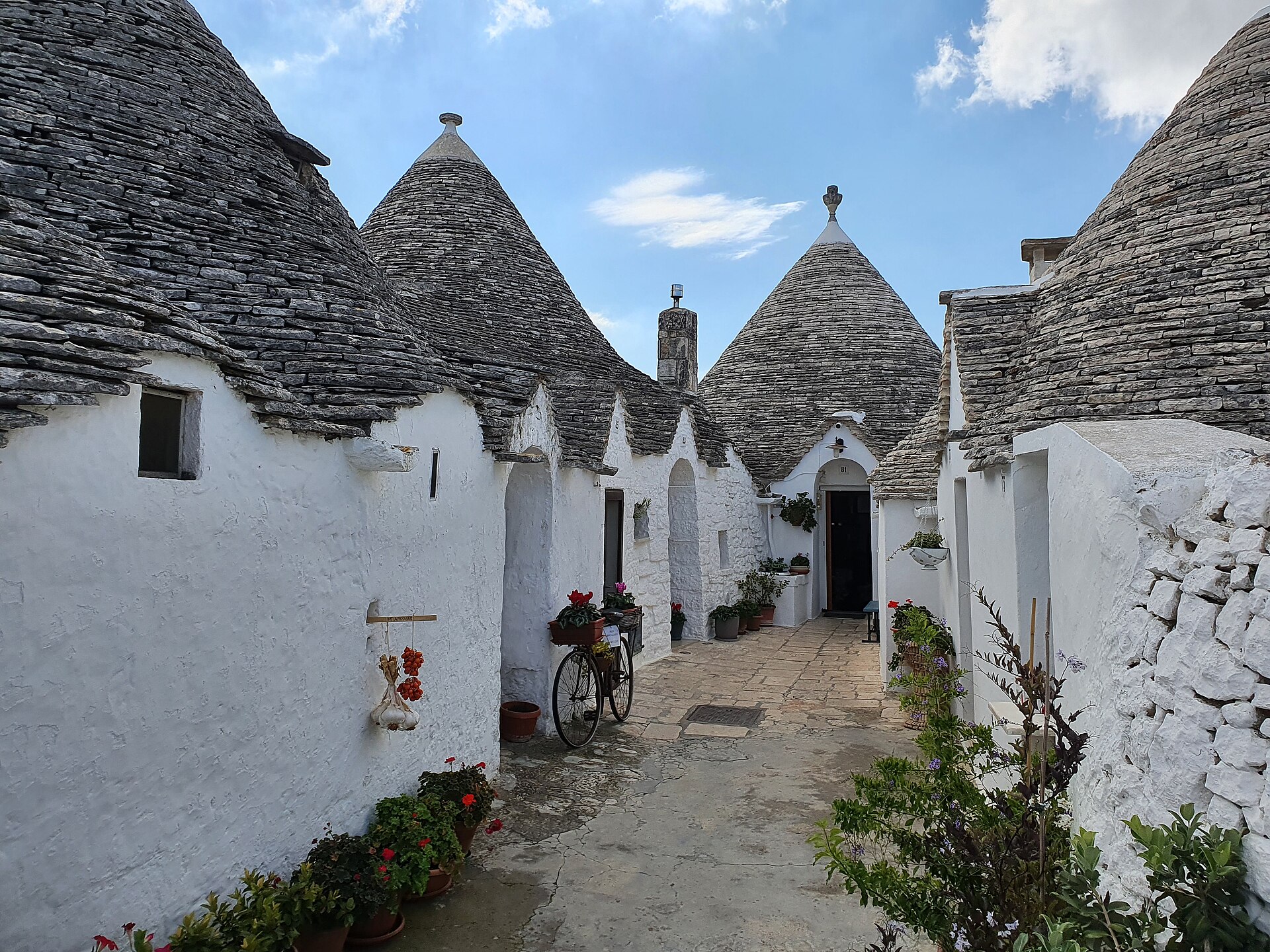
 Must-See
Alberobello
Puglia
A town of trulli, whitewashed stone houses with conical roofs, packed along hillside lanes on the World Heritage list.
Guide Coming Soon
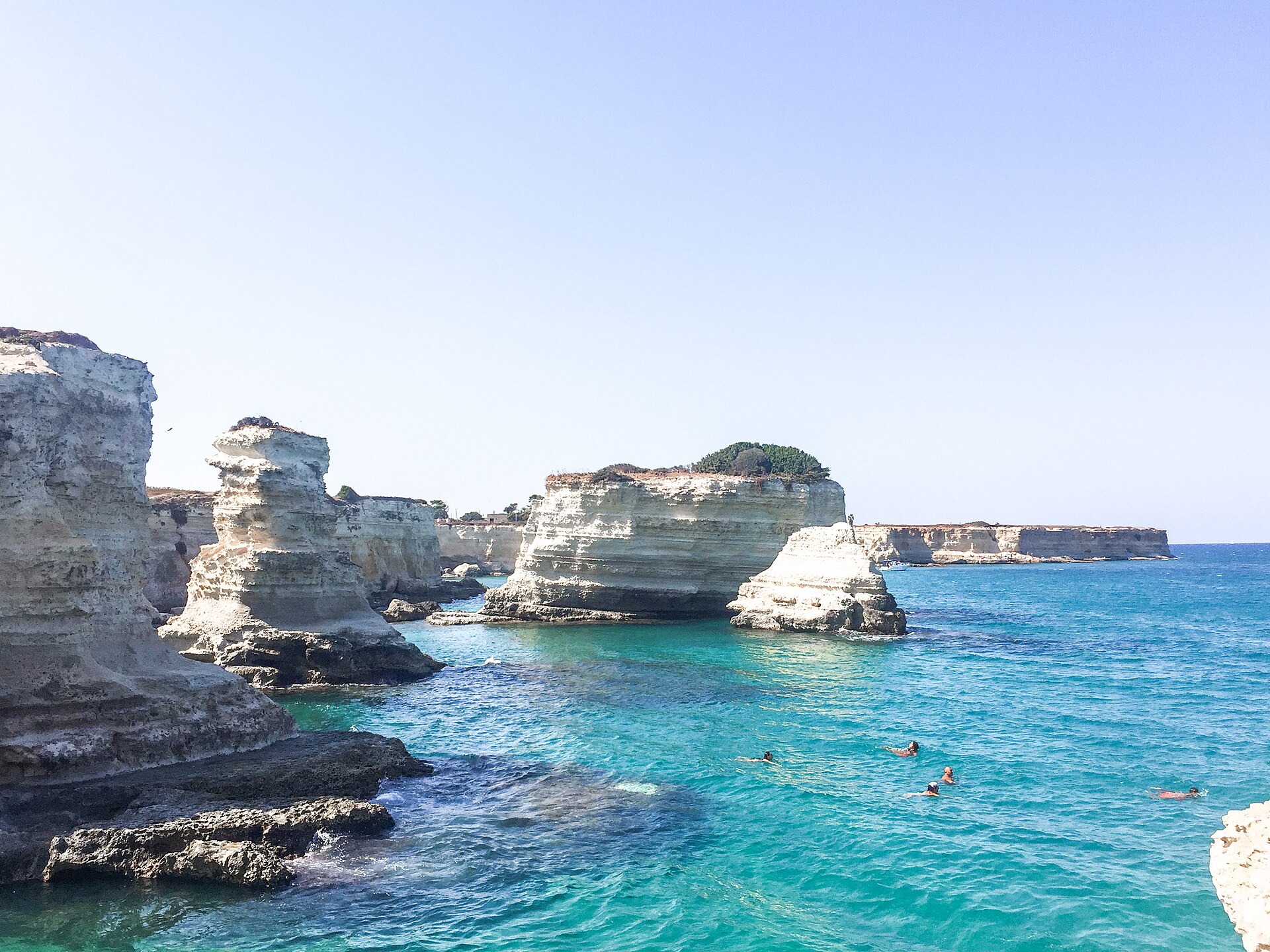
Trulli, white hill towns, baroque Lecce and turquoise coves on Italy's heel.
Puglia is the heel of Italy's boot, a long, sunny region between the Adriatic and the Ionian Sea that makes more olive oil than any other in Italy. Its look is its own: the trulli of the Itria Valley, round stone houses with cone-shaped roofs; whitewashed hill towns like Ostuni; and Lecce's exuberant baroque, carved from soft golden stone.
Bari, the capital, has the main airport and an old town of lanes around the Basilica of Saint Nicholas. Polignano a Mare's cliff-top old town, Alberobello's trulli and Ostuni are short drives away, Castel del Monte's octagonal castle stands alone on a hill inland, and the Salento runs on south past Lecce to Otranto. Matera's cave town, just over the border in Basilicata, is an easy day trip. Give Puglia a week, with a car.
1 more place to become Sailor · tap “Been There” on any place you've visited
Must-SeeA town of trulli, whitewashed stone houses with conical roofs, packed along hillside lanes on the World Heritage list.
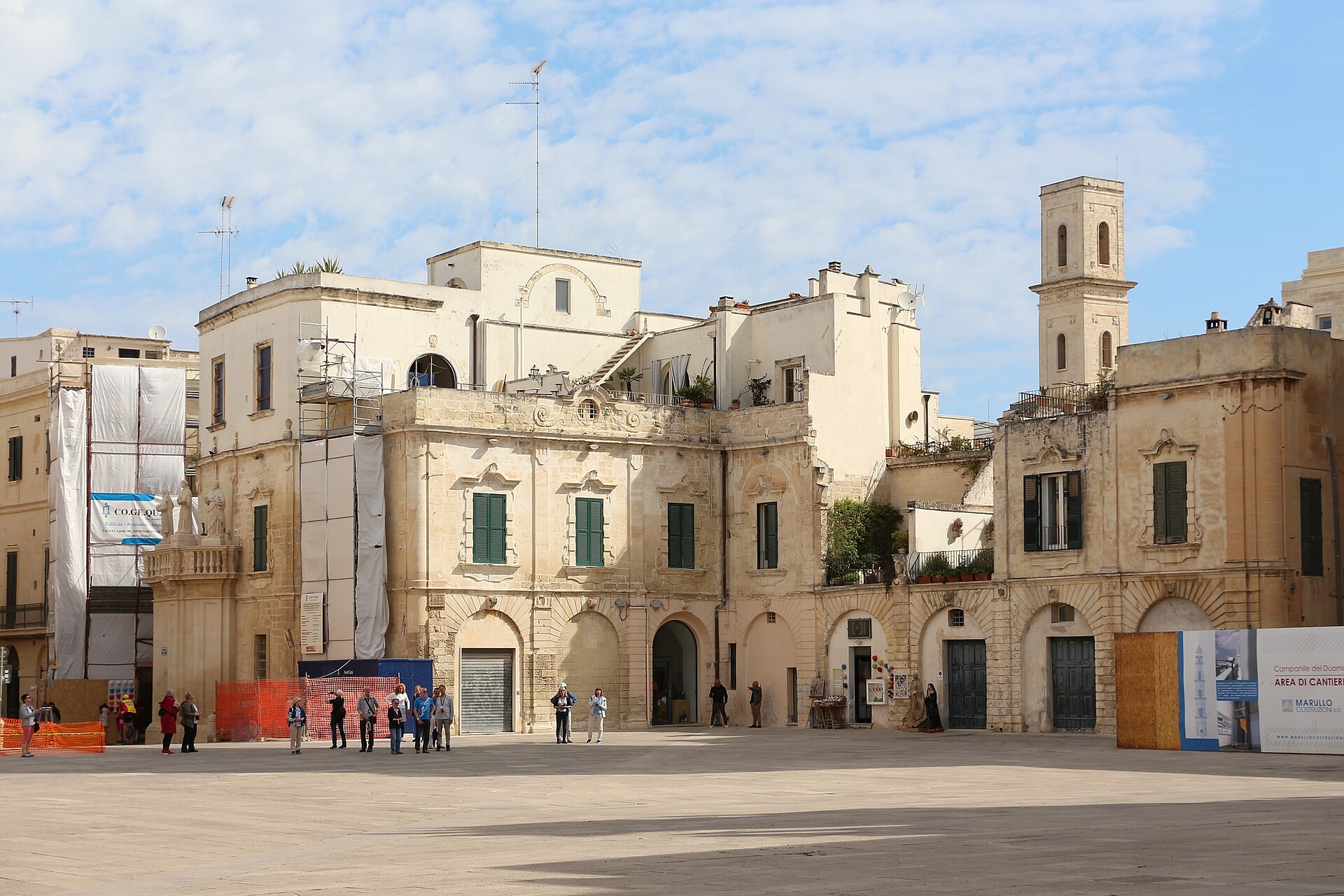 Must-See
The Florence of the South, a city of exuberant Baroque churches carved from soft golden stone, with a Roman amphitheater.
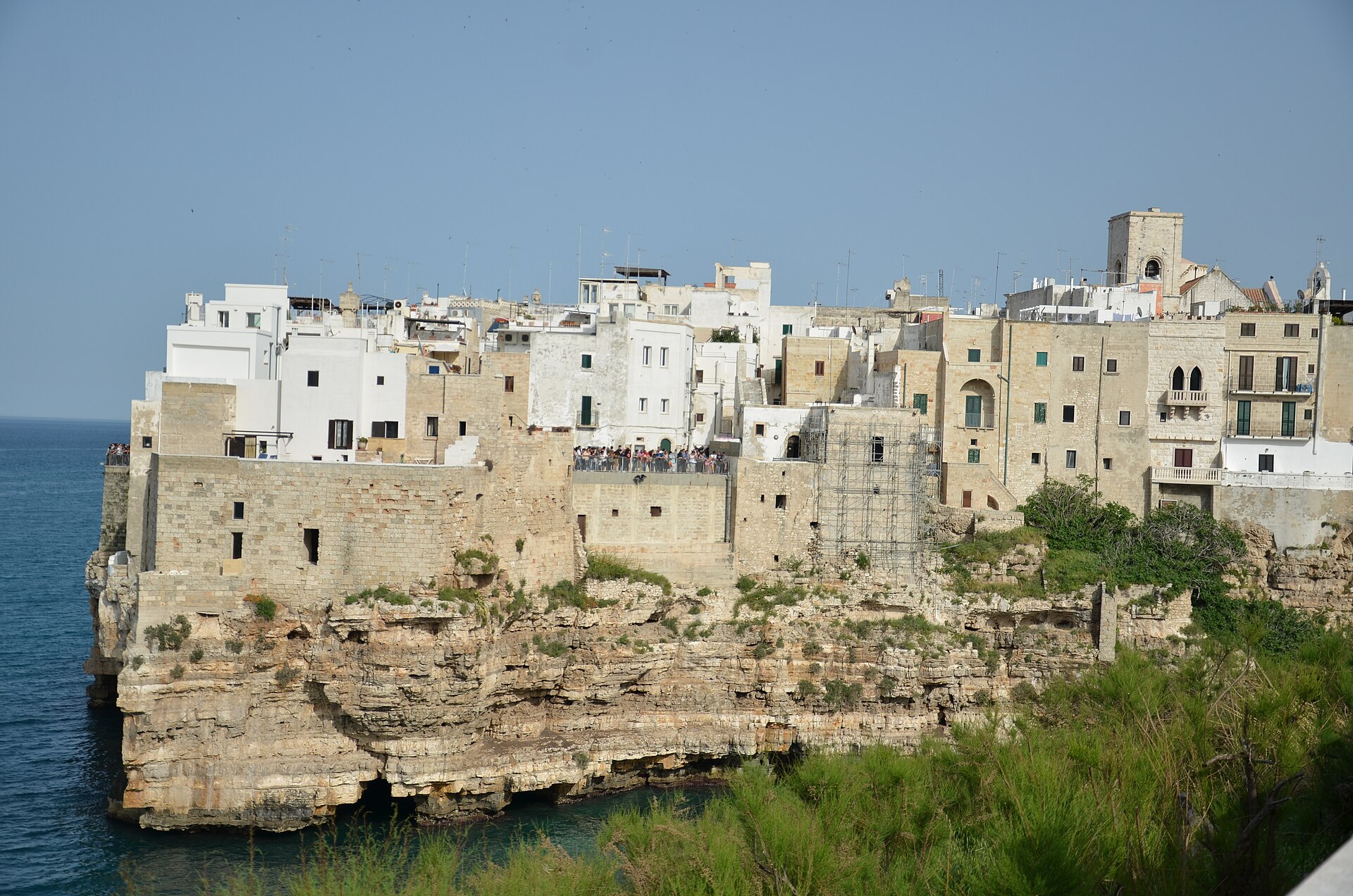 Worth a Detour
A whitewashed old town on cliffs above the sea, with a tiny beach in a gorge and a famous cliff-diving spot.
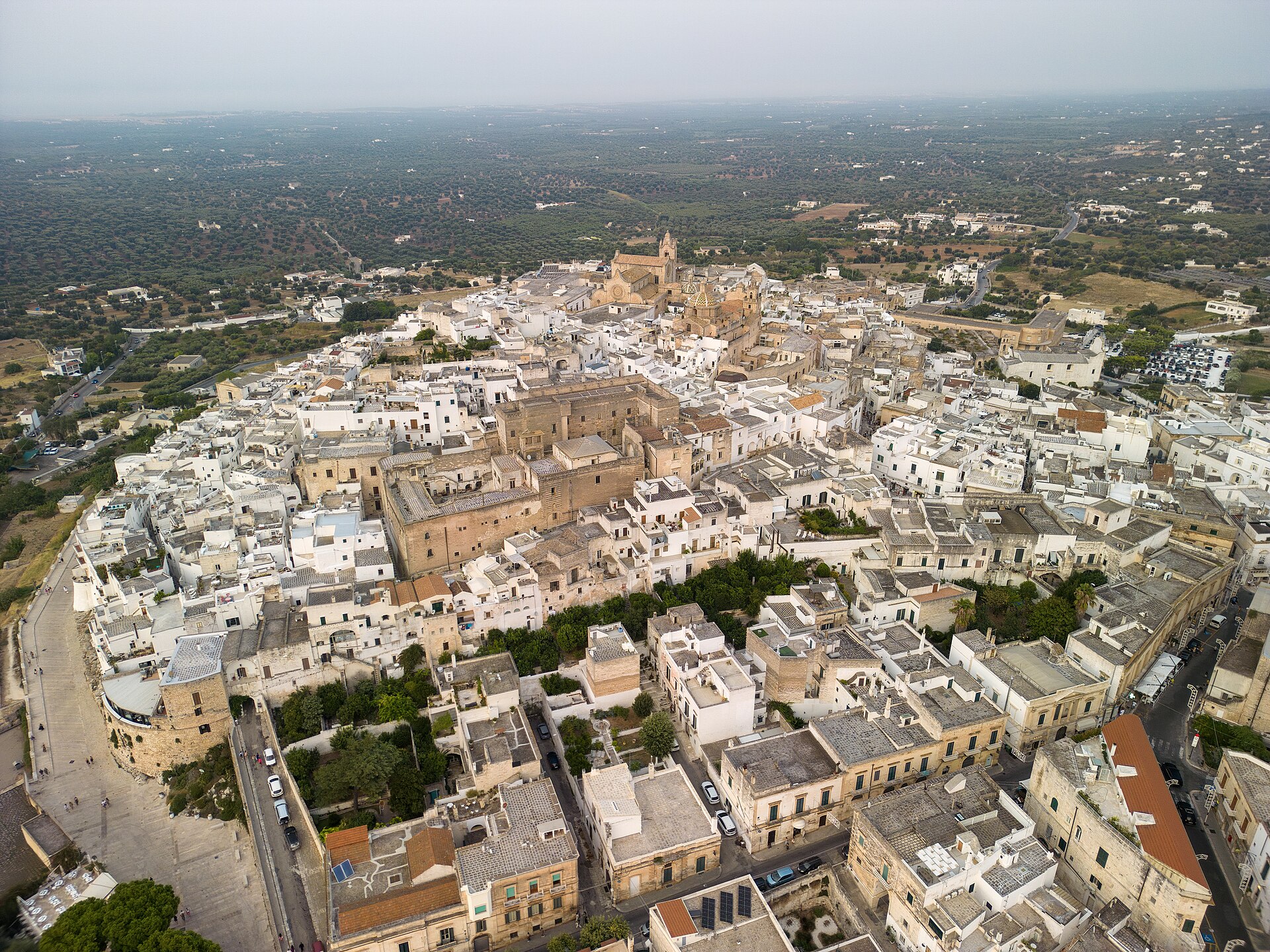 Worth a Detour
The White City, a hilltop maze of whitewashed lanes above olive groves stretching to the Adriatic.
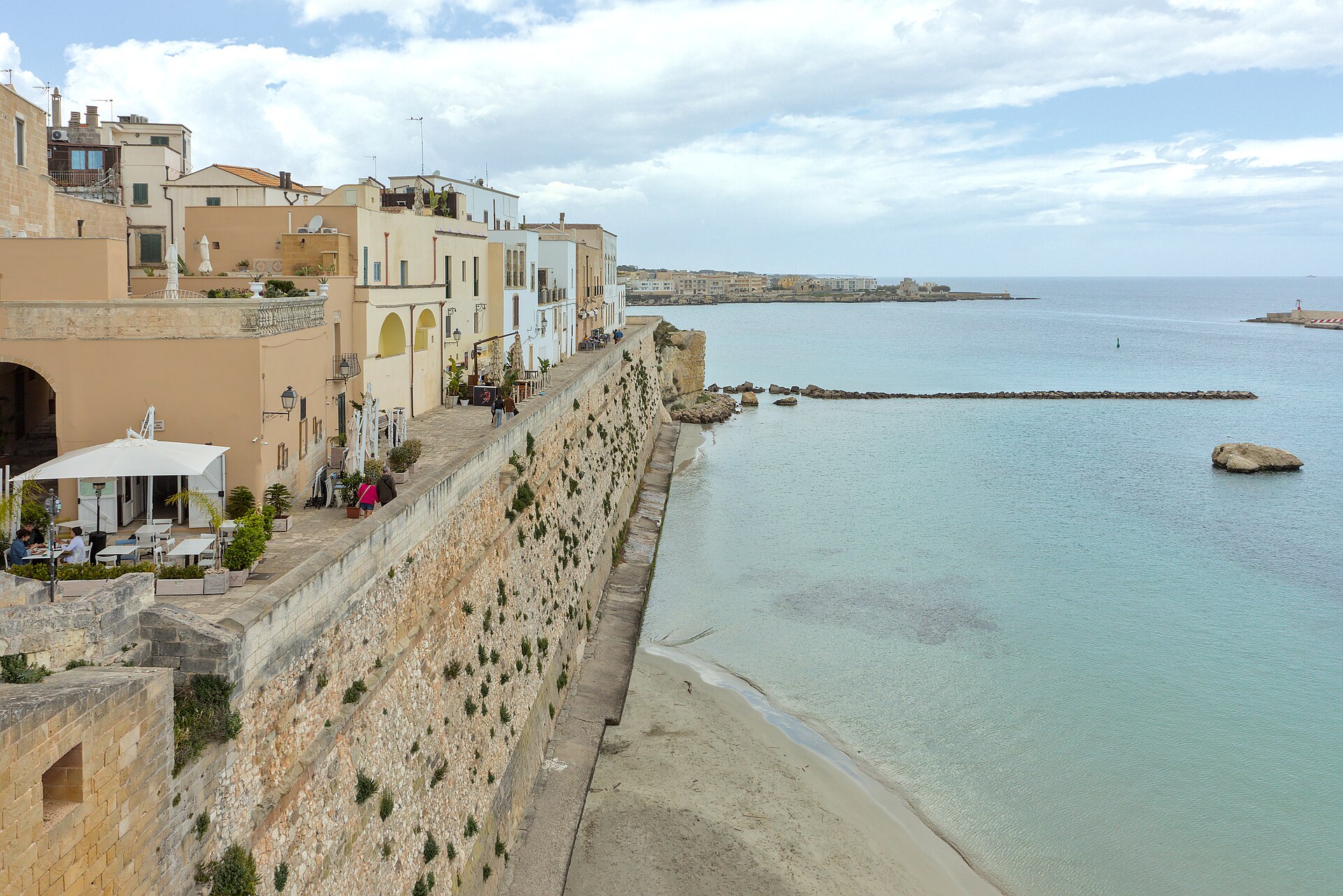 Worth a Detour
Italy's easternmost town, walled above a turquoise bay, with a cathedral floor covered by a vast 12th-century mosaic of the Tree of Life.
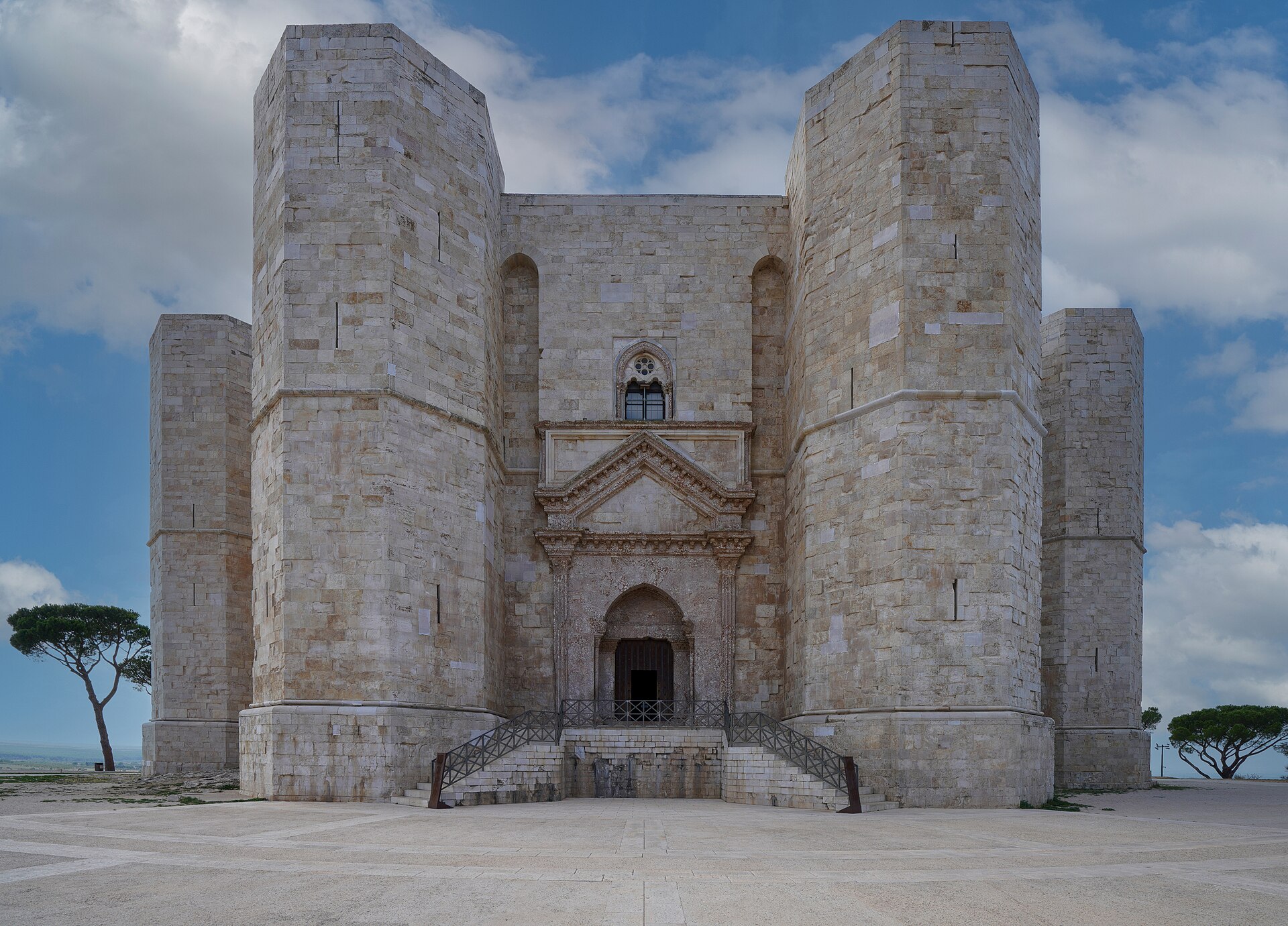 Worth a Detour
Frederick II's mysterious octagonal castle, alone on a hill above Puglia's farmland, with eight octagonal towers and no moat.
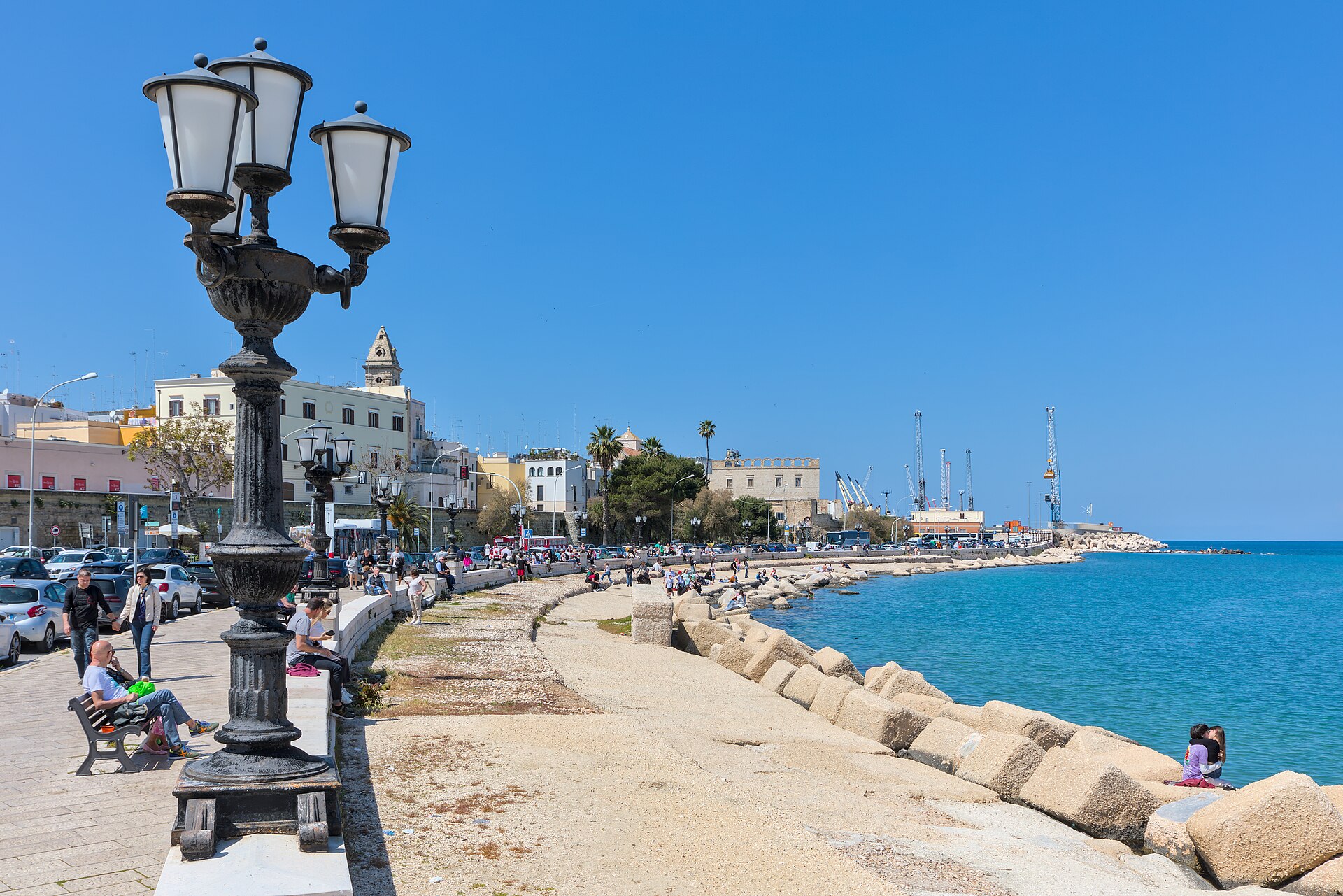 If You're Nearby
Puglia's port city, with an old town where women make orecchiette pasta in the alleys and the basilica of Saint Nicholas.
Grey pins: guides still being written.
Puglia is long, about five hours' drive from the Gargano in the north to the tip of the Salento, so pick two bases rather than one. A car is the easiest way to reach the trulli country, the castle and the beaches. Trains run down the coast from Bari to Polignano, Ostuni, Brindisi and Lecce, and local lines reach Alberobello, Martina Franca and Otranto. Old towns have restricted traffic zones, so park outside them.
Summers are long, hot and dry, often above 86°F in July and August, and the sea stays warm from June into October. Winters are mild and fairly wet, and many beach clubs and seaside restaurants close from November to Easter.
Puglia's own pasta is orecchiette, 'little ears', classically with turnip greens. Look for burrata from Andria, focaccia barese, fried panzerotti, raw seafood in Bari and bombette, little grilled meat rolls, in the Itria Valley towns. Lecce's custard-filled pasticciotto comes with breakfast coffee, and the red wines are Primitivo and Negroamaro.
Book rooms and cars early for July and August, when Italian families fill the coast, above all around the Ferragosto holiday in mid-August. Shops close for a long lunch break, many restaurants close one day a week, and much of the shore is lined with paid beach clubs, with free stretches between them.